—
TRAVERSE CITY — Michigan leaders are advocating for updated dam safety regulations statewide to strengthen oversight and increase accountability. This comes as the state has invested $44.5 million since 2021 through its Dam Risk Reduction Program, yet an additional $1 billion is estimated to be needed for infrastructure upgrades.
The Michigan Department of Environment, Great Lakes and Energy brought together state, local and tribal leaders in Traverse City to emphasize the urgent need for stronger action to reduce risks to communities and improve dam safety.
The push for enhanced dam safety is critical for Michigan, which is home to more than 2,500 dams, many constructed in the late 1800s and early 1900s. Only about 1,000 of these dams are currently regulated by the state and recent flooding conditions have highlighted the importance of proactive investment.
EGLE Director Phil Roos noted that while historic investments have been made to repair and remove aging dams, strengthening current tools is necessary. “Under Gov. Gretchen Whitmer’s leadership, we’ve made historic investments to repair and remove aging dams, helping protect communities and reduce long-term risk,” Roos said. “We have a solid foundation in place and now we need to strengthen our tools that support dam safety.
Proposed legislation builds on that progress by modernizing oversight, increasing accountability to ensure we can better safeguard people, infrastructure and our natural resources.” The proposed legislation, House Bill 5485, was introduced by Rep. Bill Schuette, a Republican from Midland. This bill aims to expand state oversight and modernize regulations to better protect communities from flooding and infrastructure failure.
The legislation also seeks to require dam owners to register and plan ahead, including comprehensive safety, inspection and asset management strategies. It would increase inspection frequency and accountability to identify risks earlier and facilitate timely action.
Further provisions in House Bill 5485 include raising design and safety standards. This would ensure dams can better withstand extreme weather and changing climate conditions.
The bill also proposes creating new funding and emergency response tools, such as a dedicated emergency fund and a grant program to address high-risk dams.
Between 2022 and 2025, the Dam Risk Reduction Program has funded 56 projects. These projects included 20 dam removals, 16 rehabilitation efforts and 20 engineering studies.
The Boardman-Ottaway River restoration in Traverse City stands as Michigan”s largest dam removal and river restoration project, also ranking among the most significant in the Great Lakes region.
Over more than a decade, the Grand Traverse Band of Ottawa and Chippewa Indians, along with state, federal and local partners, successfully removed three aging dams, reconnecting more than 160 miles of river and tributaries. This extensive effort has restored natural flow to the river, improved habitat, enhanced water quality and created new recreational opportunities.
Dan Zielinski, principal engineer for the Great Lakes Fishery Commission, praised the initiative. “This is an exciting project for both the Boardman/Ottaway River and the greater Traverse City community,” Zielinski said. “Restoring natural fish passage while blocking invasive species will strengthen the ecosystem and fish community, making the river more vibrant and sustainable for all who depend on it.”
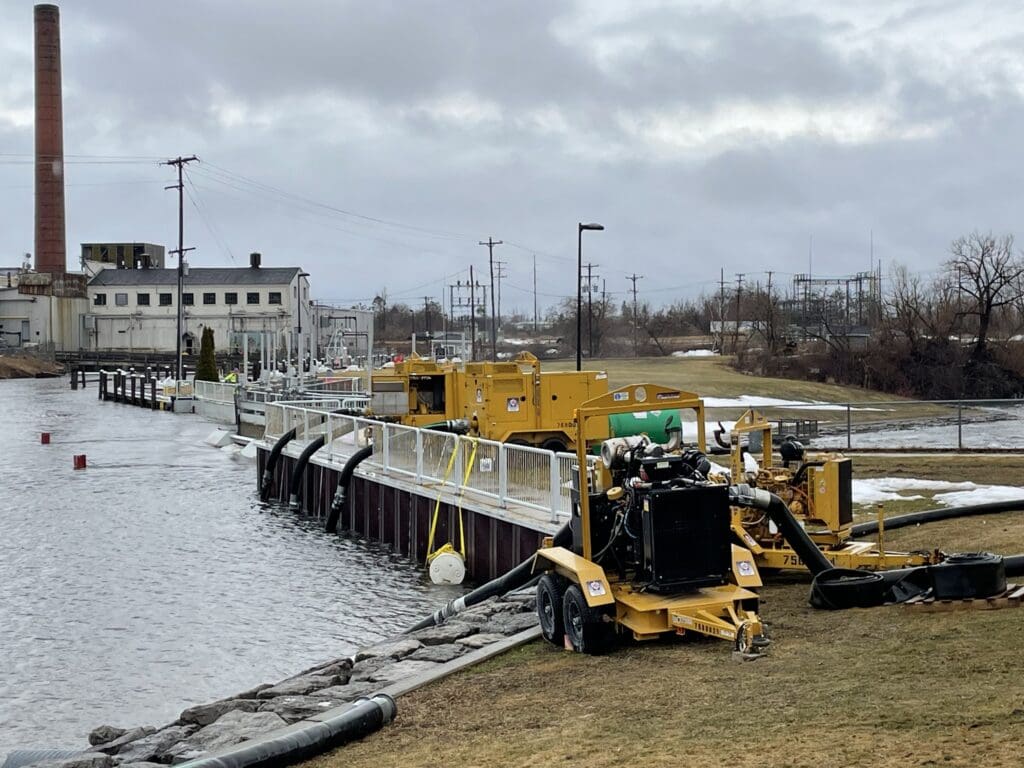
The Union Street Dam project serves as the capstone of the Boardman-Ottaway River restoration. This project demonstrates how proactive investment can reduce long-term risk, improve environmental outcomes and enhance quality of life for surrounding communities.
The dam is being replaced with a new FishPass system, a modern barrier designed to improve safety, reduce failure and flooding risks and restore the river’s natural function while allowing fish passage and preventing invasive species from moving upstream.
The Michigan Department of Environment, Great Lakes and Energy supported the Union Street Dam project with $1 million in funding. EGLE also provided regulatory oversight and technical expertise, ensuring the aging structure was safely replaced.
Benjamin Marentette, city manager for Traverse City, highlighted the community benefits. “The Union Street Dam site truly gives our community a place to connect,” Marentette said. “Whether that’s fishing, kayaking or simply enjoying time along the river, this project creates new opportunities for people to experience and appreciate this space.
At the same time, it reduces long-term risk, helping protect residents and build a more resilient community for the future.”