—
Michigan forgives $21 million in medical debt for more than 9,700 residents
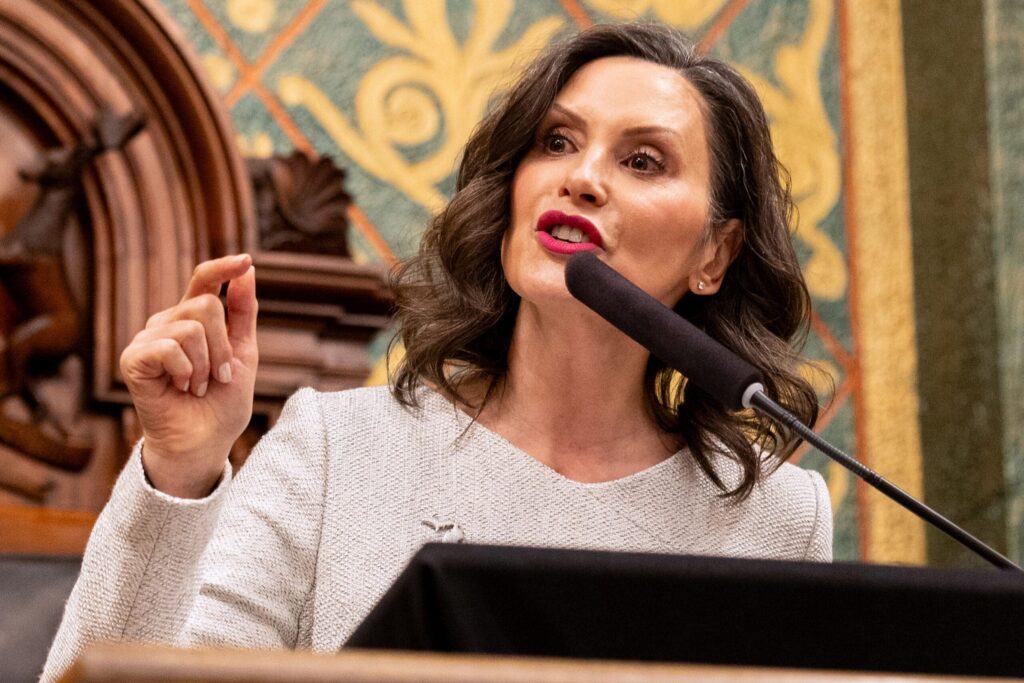
‘This action ensures fewer Michigan families have to choose between putting food on the table or paying their medical bills,’ Gov. Whitmer said.
Letters will soon hit the mailboxes of over 9,700 Michiganders notifying them that a total of $21 million in medical debt has been wiped from their records in the state.
On Oct. 14, Gov. Gretchen Whitmer announced a third round of medical debt relief issued by Michigan in partnership with Undue Medical Debt, a national nonprofit working to relieve Americans of burdensome medical bills. To date, Michigan recipients have received over $221 million in medical debt relief, according to the governor’s office.
“This action ensures fewer Michigan families have to choose between putting food on the table or paying their medical bills, especially when so many already are struggling with rising costs on the essentials due to DC Republicans’ tariffs, cuts to Medicaid, and their Iran War,” Whitmer said in a statement.
As Michigan residents try to navigate challenges that include what the Center on Budget and Policy Priorities says is the largest cut to Medicaid funding in U.S. history, Whitmer has previously expressed concern that people will begin to accumulate more medical debt.
In her State of the State address earlier this year, the governor proposed policies to address medical debt that included capping interest rates, preventing medical debt from showing up on credit reports, requiring hospitals to set up financial assistance programs, and banning liens or home foreclosures based on medical debt. A package of bipartisan legislation that would codify those ideas in state law was introduced in the Michigan Senate last year and passed the upper chamber on March 11. The bills have been stalled in the Republican-led state House of Representatives since the summer.
An estimated 100 million people across the country carry medical debt, according to a national survey of adults commissioned by Undue Medical Debt in 2023. Nearly half of the 2,663 survey respondents said they feel trapped by it, and many forgo medical treatment altogether because they don’t want to fall further into debt.
The state’s debt forgiveness funding was part of a $4.5 million appropriation included in the 2024 state budget that, when combined with local matching funds and partnerships, it is estimated will erase $450 million in medical debt for more than 180,000 Michiganders once all funding is distributed.
In its efforts to erase medical debt, Undue Medical Debt buys unpaid medical bills in bulk from hospitals, physician groups, and collection agencies for a fraction of the cost. The organization’s recipient criteria is based on income, so a person qualifies if they earn at or below 400% the federal poverty level (around $100,000 annually for a family of three) or if they have medical debts that equal 5% or more of their annual income. The payments are on a one-time basis and cannot be requested, but are based on community medical providers’ willingness to join the effort.
“At a time when federal policies are threatening to push millions more into medical debt, this partnership sends a powerful message that states can and will step up to protect their residents,” Allison Sesso, president and CEO of Undue Medical Debt, said in a separate debt relief announcement in June.