—
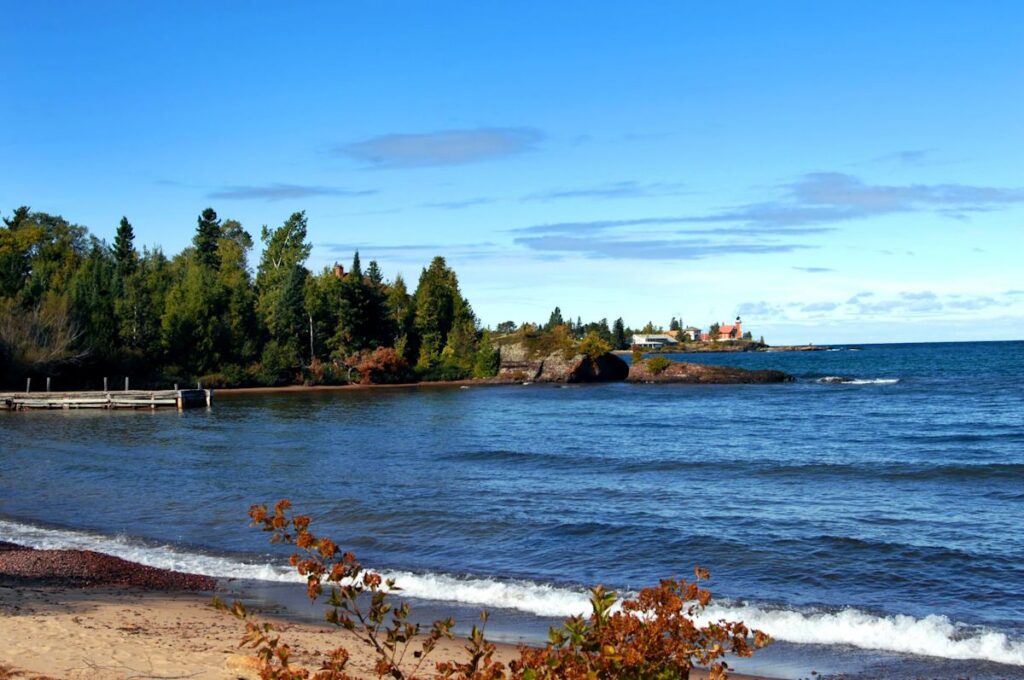
Michigan is preparing to spend more than $4.9 million to secure 4,494 acres of forestland near the northern end of the Keweenaw Peninsula, a move aimed at keeping a major stretch of land open to the public and protected from private development.
For people who have long spent time there, the purchase could preserve both access to the land and a place that feels central to the community.
Here’s what to know
As Michigan Public reported, the Michigan Department of Natural Resources plans to begin with a purchase from The Nature Conservancy in the first of two negotiated phases, putting nearly 10,000 acres under state ownership.
Worries about the land grew after it was listed for sale in 2021, when residents feared a private buyer might divide the property or restrict access.
Julia Petersen, Keweenaw Peninsula Project Manager for The Nature Conservancy, said the sheer size of the tract is what unsettled many people.
“It was about 15% of the county’s mainland footprint. And individuals in the community, they wrote the state, they wrote the governor, leaders on the county board were very concerned,” Petersen said, per Michigan Public.
She said families have used the area for generations to hike, bike, hunt, fish, and snowmobile, and many were concerned that development or piecemeal sales could end that access.
More background
Recreation is only one reason the land is considered important.
Petersen said the parcel also contains tribal lands and historic features that go back thousands of years, giving it cultural significance in addition to its environmental value. She said the area is closely connected to Ojibwe history and to the Keweenaw’s copper-mining past.
Citing a DNR filing, Michigan Public reported that the area brings in about 327,000 overnight visitors each year, along with another 100,000 day visitors. It also cited a U of M Economic Growth Institute estimate that those visitors generate $38 million in economic value for Keweenaw County.
What’s being done?
The plan depends on a partnership approach.
The Nature Conservancy acquired the property as an interim owner and then worked with the DNR and local community groups to find a long-term ownership arrangement that would keep the land accessible to the public.
Tori Irving, a DNR public land specialist, said the most significant shift would come from public management of the property.
“One of the biggest things, like five to 10 years out, is it will undergo a management change. Having it held in the public trust will prevent any fragmentation or any private purchases,” Irving said, per Michigan Public.
Supporters say the purchase is meant to safeguard the forest, recreation, history and the local economy all at once.
If the second phase goes through, the state would end up controlling nearly 10,000 acres altogether, a significant increase in protected land in one of Michigan’s most distinctive areas.
“The whole intent of this project from the very beginning was to protect the natural and cultural features and to ensure access for the public remains,” Petersen said.
Get TCD’s free newsletters for easy tips, smart advice, and a chance to earn $5,000 toward home upgrades. To see more stories like this one, change your Google preferences here.